
As we move through the first month of 2026, the conversation around auto insurance in Bluffton has shifted from the rapid price hikes of previous years to a period of cautious stabilization. For residents navigating the busy intersections of Highway 278 or cruising the quiet roads of Palmetto Bluff, understanding why local rates still sit above the state average is essential. While national trends show a cooling effect, our corner of the Lowcountry continues to face unique pricing pressures that make “rate shopping” more of a necessity than a suggestion.
The primary driver of Bluffton’s elevated premiums in 2026 is the convergence of high-tech vehicle repairs and coastal environmental risks. In our local area, full-coverage premiums are averaging approximately $2,532 annually—a figure notably higher than the state average of roughly $2,023. This disparity is fueled by the complexity of modern vehicles. A minor fender-bender in a tourist-heavy area like Old Town can now cost thousands more than it did five years ago, as the sensors, cameras, and specialized components found in today’s EVs and luxury SUVs require specialized labor and expensive parts that are often in high demand locally.
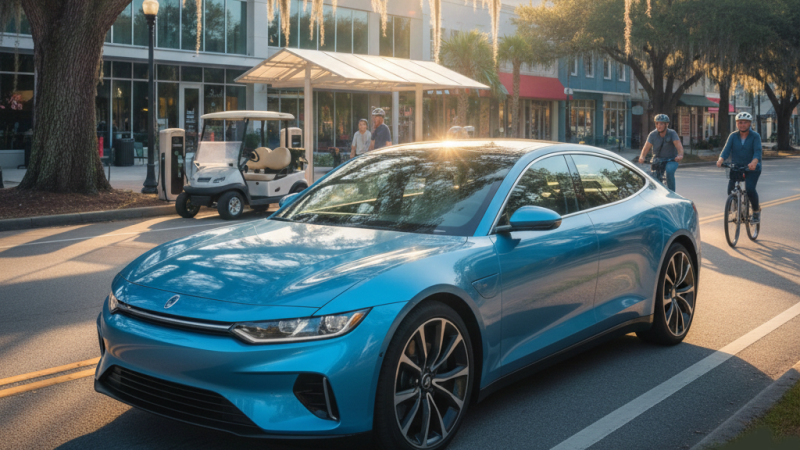
Another factor unique to the Bluffton and Hilton Head area is the “Tourism and Transit” premium. Insurance carriers analyze local ZIP codes for traffic density and accident frequency; the influx of seasonal visitors and the high volume of commuters traveling between Bluffton and the islands increase the statistical likelihood of claims. Furthermore, the ubiquitous presence of golf carts in our gated communities introduces a specific “micro-risk” that insurers account for. Collisions involving these low-speed vehicles, which are often driven on or near public roads, contribute to a higher local claim severity that keeps our baseline rates elevated compared to inland cities like Greenville or Spartanburg.
Fortunately, 2026 has brought new legislative and technological avenues for relief. South Carolina lawmakers are currently reviewing Bill 830, which aims to increase transparency in how insurers use non-driving factors, such as credit scores and location, to set rates. At the same time, usage-based insurance (UBI) has reached a 30% adoption rate in our region. For the many retirees and remote workers in Bluffton who drive fewer miles than the average commuter, these “pay-as-you-drive” programs are offering a way to decouple their premiums from the general local risk, providing discounts of up to 25% for those who maintain safe habits behind the wheel.
Ultimately, while the “sticker shock” of the early 2020s has begun to fade, the 2026 landscape in Bluffton remains one where local knowledge is your best financial asset. By understanding that your rate is shaped by everything from the height of the next storm surge to the number of sensors in your bumper, you can better navigate the market. Working with a local agent who can shop across both national carriers and South Carolina-specific providers remains the most effective way to ensure you aren’t paying a “coastal tax” that exceeds your actual risk.