
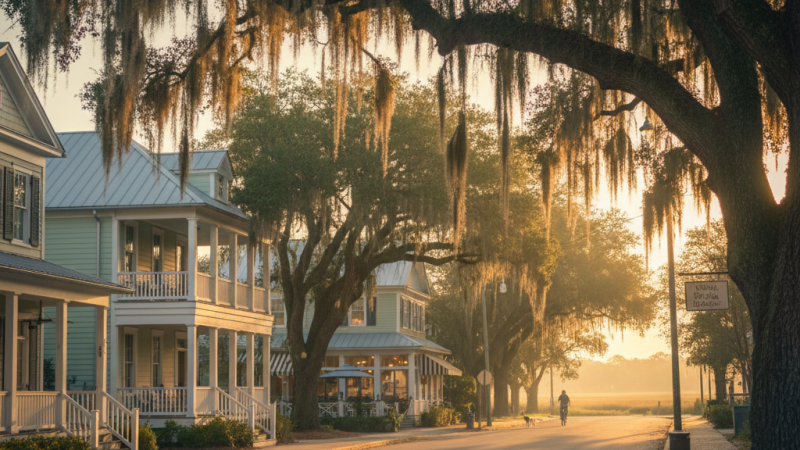
In 2026, the local insurance landscape in Bluffton is being transformed by a fundamental shift in how residents and agents interact with technology. This evolution is defined by two primary movements: the rise of invisible, automated data integration and the transition toward unified, tech-enabled human service. For a community like ours, where the risk of coastal weather and the influx of new residents are constant factors, these technological shifts are not just about convenience; they are about maintaining the accuracy and affordability of protection in a high-stakes environment.
One of the most significant advancements is the move toward embedded automation, which effectively brings the insurance market directly to the consumer at the moment they need it most. When someone purchases a home in a new development like Buckwalter or New Riverside, advanced data-sharing ecosystems now allow for nearly instantaneous coverage options. By integrating directly with the mortgage and closing process, these systems use high-resolution aerial imagery and property-specific risk data to generate quotes without requiring the homeowner to fill out exhaustive questionnaires. This “autopilot” approach ensures that factors like a home’s specific elevation or the age of its roof are accounted for automatically, providing a level of precision that was previously impossible. For many in the Lowcountry, this means that securing a policy is no longer a separate, stressful hurdle, but a seamless part of the home-buying journey.
Parallel to this push for automation is the rise of unified communication platforms that empower local independent agents to provide a more responsive and organized experience. In 2026, the best local agencies no longer operate out of fragmented email inboxes and paper files. Instead, they use integrated hubs that centralize every interaction—from text messages and video consultations to digital document signatures—into a single, cohesive history. This technology allows a local agent to move from being a simple policy salesperson to a dedicated risk advisor. For example, when a tropical storm enters the Atlantic, an agent using these tools can instantly identify every client in a specific flood-prone neighborhood and send personalized, proactive safety alerts via text. This model preserves the critical “human touch” that Bluffton residents value, while providing the digital speed and transparency that modern life demands.
Ultimately, the choice for a Bluffton resident in 2026 is between a fully digital, transaction-focused experience and a technology-backed partnership with a local expert. The automated, digital-first route is ideal for straightforward needs where price and speed are the only priorities, such as insuring a standard vehicle or a rental property. However, for those with more complex needs—such as bundling high-value coastal homeowners’ insurance with umbrella liability and flood protection—the tech-enabled agency model offers a significant advantage. By using powerful communication tools to bridge the gap between complex data and personal service, these local agencies ensure that residents are not just “covered,” but truly understood and protected against the unique environmental realities of life in the Lowcountry.