
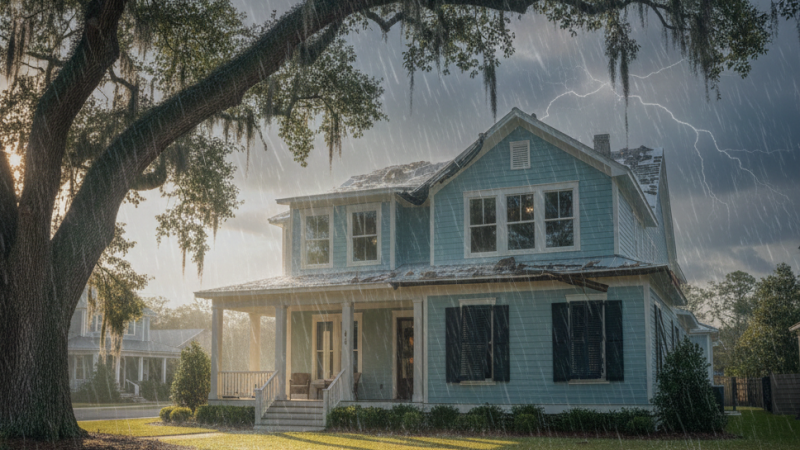
Living in Bluffton in 2026 requires a deeper level of insurance literacy than in years past. The primary challenge for local homeowners is the evolving nature of coastal risk, particularly the distinction between wind damage and rising water. As climate patterns shift, the “hurricane season” has become more unpredictable, and even non-tropical weather events, such as high-tide “sunny day” flooding and severe convective storms, are now major drivers of premium increases. For residents from Old Town to the newer reaches of New Riverside, protecting a home today means looking beyond a standard policy to address the specific environmental and regulatory realities of our corner of South Carolina.
The most critical point of confusion remains the separation of wind and flood coverage. In the Lowcountry, a standard homeowners policy generally covers damage from wind, such as shingles being torn off during a storm, but it strictly excludes damage caused by rising water. Under the modern Risk Rating 2.0 system, flood insurance is no longer determined by broad zones on a map but by the unique characteristics of an individual property, including its exact elevation and distance from the May River or surrounding marshlands. Even for those in historically “low-risk” areas, a separate flood policy—either through the National Flood Insurance Program or the rapidly growing private market—is now considered a baseline requirement for financial security, as just a few inches of water can result in tens of thousands of dollars in uninsured repairs.
Beyond the basics of home and flood, Bluffton residents often carry a suite of specialty coverages tailored to the local lifestyle. Given our high concentration of gated communities and coastal amenities, golf cart insurance is a frequent addition to local portfolios. While some homeowners believe their property policy covers their cart, those driven on public or community roads often require separate liability and physical damage coverage. Similarly, boat and personal watercraft insurance are essential for those frequenting the Sandbar or navigating the Calibogue Sound. These policies are specifically designed for our tidal environment, offering protection for specialized gear and fuel spill liability that a standard umbrella policy might miss.
Looking ahead through 2026, the cost of these protections is being influenced by broader economic shifts. While global reinsurance rates have stabilized somewhat, local premiums in Bluffton continue to reflect the rising costs of labor and materials in Beaufort County. Tariffs on imported building materials and a persistent shortage of skilled contractors mean that a “replacement cost” policy from five years ago may no longer be sufficient to rebuild a home to current standards. Many residents are now opting for “extended replacement cost” endorsements and higher deductibles to manage these rising expenses. By working with advisors who understand these hyper-local trends, Bluffton residents can ensure that their coverage is as resilient as the oak trees that define our landscape.