
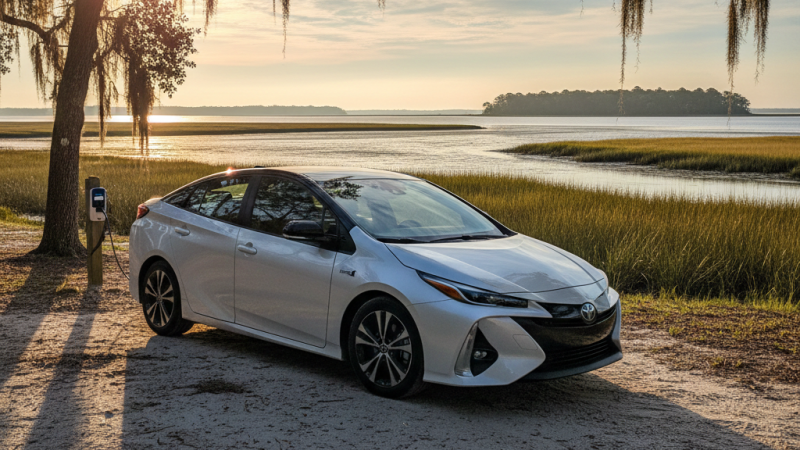
For early adopters in Bluffton, the transition to electric vehicles (EVs) has often come with a hidden “innovation tax” in the form of significantly higher insurance premiums. Historically, the cost to protect an EV far outpaced that of traditional gas-powered cars, creating a financial hurdle for residents looking to go green. However, as we move through early 2026, data indicates that this “Electric Vehicle Gap” is finally closing. While EVs remain more expensive to insure than their internal combustion counterparts, the disparity is shrinking as the local repair ecosystem matures and insurers gain more confidence in the technology.
The numbers reflect a clear downward trend in the premium surcharge for electric power. In 2025, South Carolina drivers typically paid about 23% more to insure an EV compared to a similar gas-powered vehicle. By the start of 2026, that gap has narrowed to approximately 18%. This 5% improvement is largely due to the increased volume of EVs on local roads—from the gated communities of Berkeley Hall to the bustling streets of Old Town—which has finally prompted more local body shops to invest in the specialized equipment and technician training required for high-voltage repairs. As the “scarcity” of EV repair expertise fades, the risk premium charged by insurers is following suit.
Despite this progress, the “Battery Factor” remains the primary anchor keeping EV premiums elevated. In 2026, the sheer cost of claim severity is still dominated by the vehicle’s power source. Replacing a damaged EV battery pack in the Lowcountry can still cost upwards of $16,000, a staggering figure when compared to the $180 to $250 typically spent on a traditional lead-acid starter battery for a gas car. Because many modern EVs utilize the battery as a structural component of the chassis, even a moderate side-impact collision can trigger a total battery replacement, often leading insurers to “total” a vehicle that might have been repairable if it ran on gas.
However, the outlook for the remainder of 2026 is optimistic for Bluffton’s EV owners. New “modular” battery designs are beginning to hit the market, allowing technicians to replace individual damaged cells rather than the entire multi-thousand-dollar pack. Additionally, as more used EVs enter the market, the availability of recycled and refurbished components is providing insurers with lower-cost alternatives to brand-new OEM parts. For the Bluffton driver, this means that while the “EV tax” hasn’t disappeared entirely, the path to parity is clearer than ever, making the switch to electric a more financially sound decision for the coastal lifestyle.