
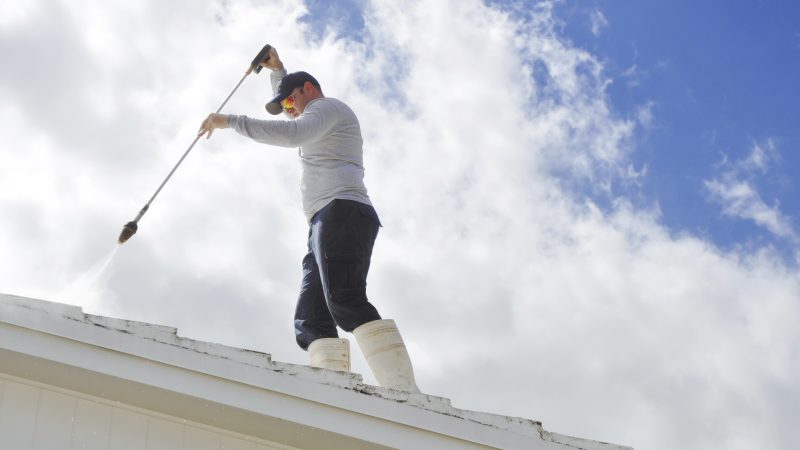
In the Lowcountry, the integrity of your home is often judged from the top down. As we navigate the 2026 insurance market, the age of your roof has officially surpassed almost every other home characteristic—including square footage or custom interior finishes—as the primary driver of your annual premium. For Bluffton residents, where salt air and humidity already challenge building materials, understanding this “Roof Age Gap” is no longer optional; it is a financial necessity.
The Growing Fiscal Divide
The shift in how insurers view older roofs has been rapid and dramatic. Since 2022, the price disparity between insuring a home with a brand-new roof and one with a roof aged 11 to 15 years has nearly tripled. This isn’t just a minor surcharge; it’s a fundamental re-rating of your home’s risk profile. In the eyes of an insurer in 2026, a decade-old roof in a coastal zone like ours isn’t just “middle-aged”—it is a liability that is significantly more likely to trigger a costly interior water damage claim during a standard Lowcountry thunderstorm.
The Bluffton Impact: Dollars and Cents
For a typical home in communities like Sun City or Hampton Hall, an aging roof can now add an immediate $150 to $200 or more to your annual premium. However, the true cost isn’t just found in the monthly bill; it’s hidden in the “settlement clause.”
In 2026, we are seeing a massive industry pivot away from Replacement Cost Value (RCV) for roofs older than 15 years. Instead, carriers are mandating Actual Cash Value (ACV) endorsements. The difference in a storm-prone area like Beaufort County is staggering:
- Replacement Cost (RCV): The insurance company pays to give you a brand-new roof of similar quality, regardless of how old your old one was. You only pay your deductible.
- Actual Cash Value (ACV): The insurance company calculates the current “depreciated” value of your roof. If your 16-year-old roof is destroyed, they may only pay you 30% or 40% of what a new one actually costs today.
The New Standard of Underwriting
Gone are the days when an insurance agent would take your word for it or glance at a 10-year-old appraisal. In 2026, carriers are utilizing high-resolution satellite imagery and drone-based AI inspections to verify the condition of your shingles before they even offer a quote. If the AI detects granular loss, curling, or significant staining, you may find your policy non-renewed or your coverage limited to fire only, excluding the very wind and hail protection that coastal homeowners need most.
For those living near the May River or the marshes of Alljoy, the message for 2026 is clear: the most expensive roof you can have is an old one. Investing in a new, wind-rated roof doesn’t just protect your attic—it protects your insurability in an increasingly restrictive coastal market.